
Bear Creek
Basic information
Sample name: Bear Creek
Sample aka: Eagle Mine
Reference: G. G. Simpson. 1928. A new mammalian fauna from the Fort U-nion of southern Montana. American Museum Novitates 297:1-15 [ER 4105]
Geography
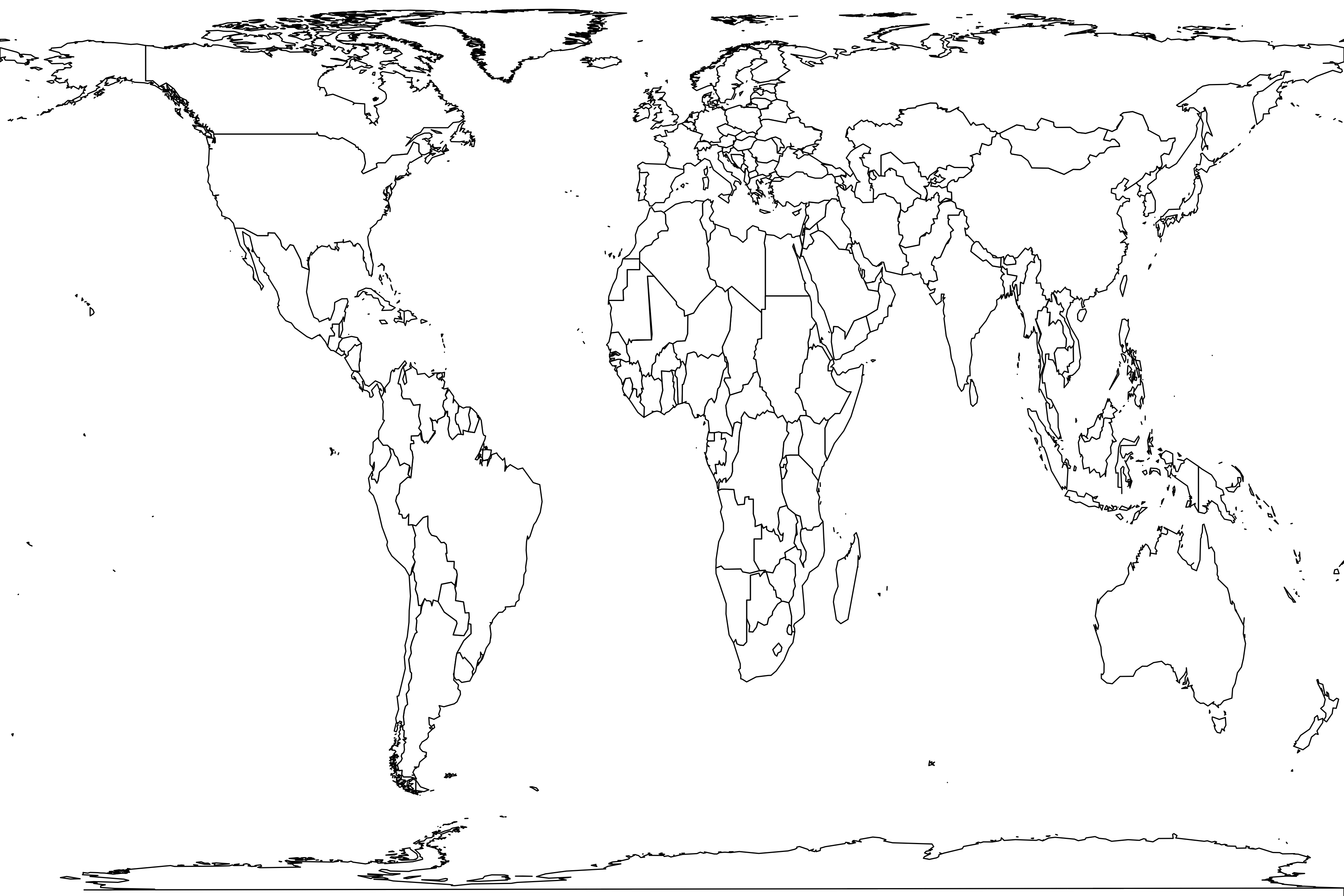
Country: United States
State: Montana
County: Carbon
Coordinate: 45.14° N, -109.18° W
Latlng basis: estimated from map
Scale: quarry
Formation: Fort Union
Time interval: Late Palaeocene
Zone: Clarkforkian
Geography comments: from "the Eagle Mine, about one mile south of Bear Creek in the Red Lodge Coal Field... just above coal vein No. 3 of the local field... about 1500 feet above the base of the Fort Union" (coordinate projected from Bearcreek)
early Clarkforkian according to Rose (1981)
early Clarkforkian according to Rose (1981)
Environment
Lithology: claystone
Habitat comments: from a hard "argillaceous" layer "on the roof of" the mine (Simpson) or "a thin carbonaceous clay" (Rose 1981)
Methods
Life forms: carnivores, primates, rodents, ungulates, other large mammals, other small mammals
Excluded forms: turtles, other reptiles, fishes, clams
Sampling methods: quarry
Sample size: 178 specimens
Years: 1927
Museum: AMNH, Carnegie Museum of Natural History, Princeton University
Net or trap nights: 0
Basal area status: not applicable
Sampling comments: the metadata are from Simpson, but the faunal list is from Rose (1981) and there was an earlier review by Russell (1967)
discovered by "Dr. J. C. F. Siegfriedt of Bear Creek" on "Nov. 5, 1927" and collected by Siegfriedt and Barnum Brown from "September 10th to 16th, 1927", who "shipped to New York a quantity of matrix from which an even larger number of specimens has since been recovered"
"Some specimens have been obtained from the same horizon in the nearby Foster Mine, but all taxa from there are also known from the Eagle Mine" (Rose 1981)
"In the same layer occur many remains of freshwater molluscs, fishes, turtles, champsosaurs, and crocodiles"
discovered by "Dr. J. C. F. Siegfriedt of Bear Creek" on "Nov. 5, 1927" and collected by Siegfriedt and Barnum Brown from "September 10th to 16th, 1927", who "shipped to New York a quantity of matrix from which an even larger number of specimens has since been recovered"
"Some specimens have been obtained from the same horizon in the nearby Foster Mine, but all taxa from there are also known from the Eagle Mine" (Rose 1981)
"In the same layer occur many remains of freshwater molluscs, fishes, turtles, champsosaurs, and crocodiles"
Metadata
Sample no: 4530
Contributor no: John Alroy
Enterer: John Alroy
Modifier no: John Alroy
Created: 2024-12-01 03:48:25
Modified: 2024-12-03 08:30:42
Abundance distribution
Each square represents a species. Square sizes are proportional to counts. Values are logged.
Statistics
20 species
2 singletons
total count 178
geometric series index: 28.8
Fisher's α: 5.782
geometric series k: 0.8069
Hurlbert's PIE: 0.8478
Shannon's H: 2.3868
Good's u: 0.989
Register
| Peradectes sp. | 1 | |
| ? | ||
| Palaeosinopa sp. | 6 | |
| cf. | ||
| †Protentomodon ursirivalis | 6 | |
| type | ||
| Aphronorus sp. | 2 | |
| ? | ||
| †Labidolemur kayi | 8 | |
| type | ||
| †Leipsanolestes siegfriedti | 22 | |
| †Planetetherium mirabile | 59 | |
| type | ||
| Microsyopidae indet. | 2 | |
| ? | ||
| Plesiadapis sp. | 4 | |
| Korth (1984): "Plesiadapis dubius" | ||
| †Chiromyoides gingerichi | 1 | |
| Secord (2008): "Chiromyoides potior" | ||
| †Carpolestes nigridens | 15 | |
| type: includes "Carpolestes aquilae" and "Litotherium complicatum" of Simpson (1929) | ||
| Dillerlemur pagei = †Phenacolemur pagei | 6 | |
| †Thryptacodon pseudarctos | 10 | |
| type | ||
| †Phenacodus intermedius | 2 | |
| Thewissen (1990): "Phenacodus primaevus" | ||
| †Haplomylus palustris | 5 | |
| Gingerich (1995): type; "Haplomylus simpsoni" | ||
| †Phenacodaptes cf. sabulosus | 4 | |
| Dissacus sp. | 4 | |
| †Ectoganus lobdelli | 4 | |
| type | ||
| Viverravus sp. | 2 | |
| ? | ||
| †Acritoparamys atavus | 15 | |
| type | ||