
Elderberry Canyon Quarry
Basic information
Sample name: Elderberry Canyon Quarry
Reference: R. J. Emry. 1990. Mammals of the Bridgerian (middle Eocene) Elderberry Canyon Local Fauna of eastern Nevada. Geological Society of America Special Paper 243:187-210 [ER 4129]
Geography
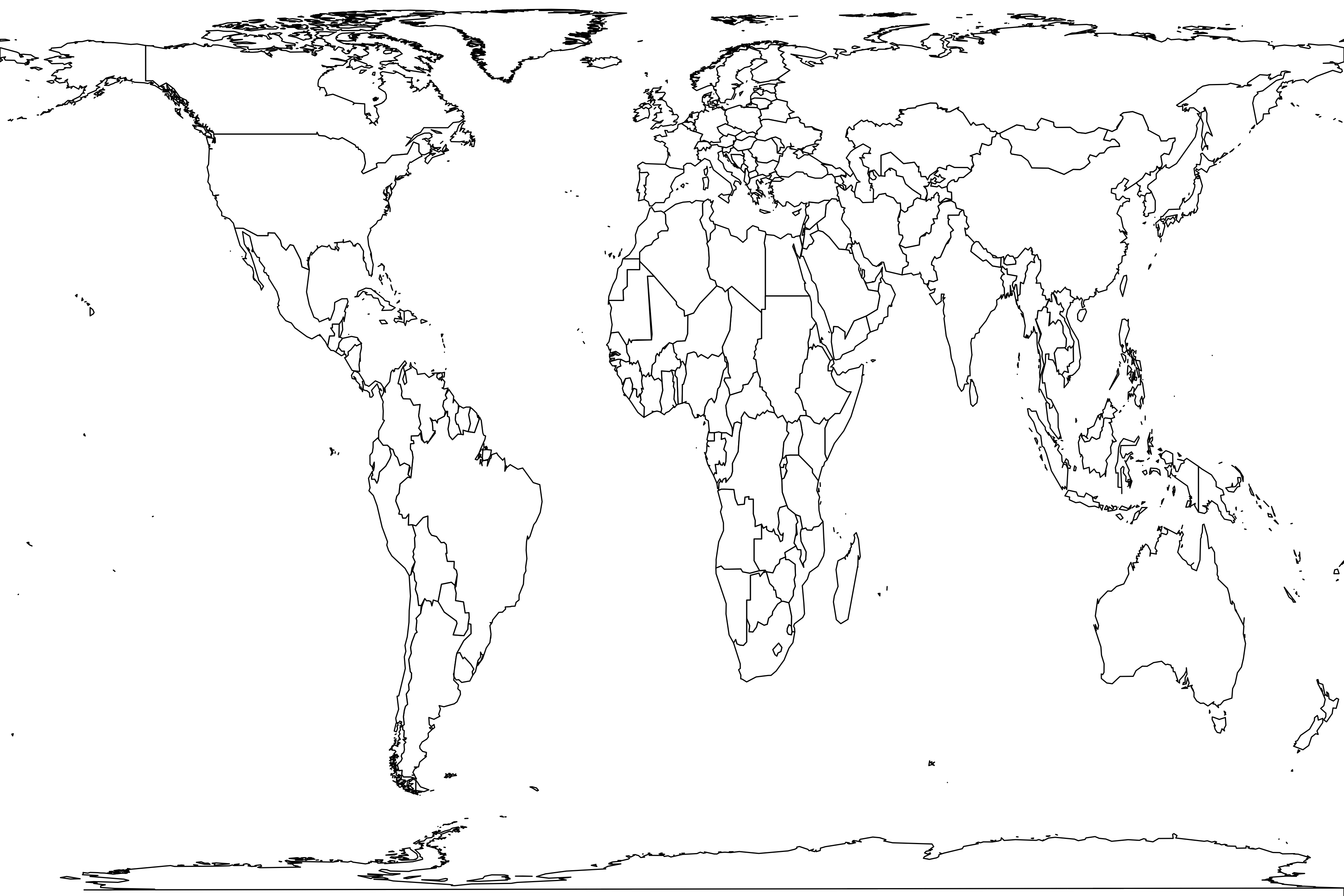
Country: United States
State: Nevada
County: White Pine
Coordinate: 39.23° N, -114.9° W
Latlng basis: estimated from map
Formation: Sheep Pass
Time interval: Early Eocene
Zone: Bridgerian
Ma: 49.75
Age basis: AEO
Geography comments: "near Ely" and shown as immediately south and slightly west of the town in FIg. 1 (coordinate based on Elderberry Canyon)
correlated with the "lower part, or Black's Fork Member, of the Bridger Formation"
correlated with the "lower part, or Black's Fork Member, of the Bridger Formation"
Environment
Lithology: limestone
Taphonomic context: lake deposit
Habitat comments: the limestone is interpreted as having deposited in "a warm, heavily vegetated, shallow, permanent lake, with slow-moving currents"
teeth, jaws, skulls, and "larger bones" are all present
teeth, jaws, skulls, and "larger bones" are all present
Methods
Life forms: bats, carnivores, primates, rodents, ungulates, other large mammals, other small mammals
Excluded forms: birds, frogs, clams, snails
Sampling methods: quarry
Sample size: 195 specimens
Years: 1975 - 1977, 1979, 1980
Museum: USNM
Net or trap nights: 0
Basal area status: not applicable
Sampling comments: "discovered in the summer of 1975 by Dr. Thomas Fouch, his daughter Melissa Fouch, and Forrest G. Poole... who collected several blocks... of bone-bearing limestone.... Additional blocks of limestone were collected in 1976" and "in 1977, 1979, and 1980"
the limestone was prepared "in a dilute formic acid" in multiple cycles
"small anuran amphibians and small reptiles are represented by many specimens that are not yet sorted and identified. Birds are represented by several limb elements too poorly preserved to allow identification"
"bivalve and gastropod molluscs, and unidentified ostracodes" are also present
the limestone was prepared "in a dilute formic acid" in multiple cycles
"small anuran amphibians and small reptiles are represented by many specimens that are not yet sorted and identified. Birds are represented by several limb elements too poorly preserved to allow identification"
"bivalve and gastropod molluscs, and unidentified ostracodes" are also present
Metadata
Sample no: 4574
Contributor no: John Alroy
Enterer: John Alroy
Modifier no: John Alroy
Created: 2024-12-07 09:29:11
Modified: 2024-12-07 09:43:51
Abundance distribution
Each square represents a species. Square sizes are proportional to counts. Values are logged.
Statistics
27 species
7 singletons
total count 195
geometric series index: 46.7
Fisher's α: 8.503
geometric series k: 0.8703
Hurlbert's PIE: 0.9061
Shannon's H: 2.7251
Good's u: 0.9643
Register
| †Apatemys bellus | 8 | |
| †Pantolestes longicaudus | 4 | |
| Microchiroptera indet. | 5 | |
| two numbered specimesn and "Several uncataloged isolated teeth" (3 or more) representing "At least two species" | ||
| †Tetrapassalus cf. mckennai | 2 | |
| †Notharctus tenebrosus | 1 | |
| †Trogolemur myodes | 9 | |
| Uintasorex sp. small | 4 | |
| "two mandibular rami and isolated upper and lower teeth" | ||
| Uintasorex sp. large | 4 | |
| "mandible and maxilla fragments and isolated teeth" | ||
| †Reithroparamys delicatissimus | 7 | |
| †Reithroparamys cf. huerfanensis | 10 | |
| †Microparamys sambucus | 28 | |
| type | ||
| Ischyromyidae indet. | 1 | |
| Sciuravus sp. | 3 | |
| †Pauromys exallos | 12 | |
| type | ||
| Knightomys sp. | 1 | |
| †Elymys complexus | 37 | |
| type | ||
| Mattimys sp. | 1 | |
| Sinopa minor = †Sinopa rapax | 3 | |
| †Viverravus minutus (viverravid) | 1 | |
| Viverravidae indet. | 1 | |
| two numbered specimens representing one individual | ||
| †Hyopsodus paulus | 17 | |
| †Hyrachyus modestus | 23 | |
| †Hyrachyus affinis | 3 | |
| †Fouchia elyensis | 5 | |
| Emry 1989: type; "? Hyrachyidae" said to be new | ||
| †Helaletes nanus | 2 | |
| †Isectolophus latidens | 1 | |
| †Antiacodon pygmaeus | 2 | |